Refinance Student Loans Comparison: Finding the Best Options
Welcome, dear reader! Are you drowning in student loan debt and feeling overwhelmed by high interest rates? Don’t worry, you’re not alone. Luckily, there are options available to help you refinance your student loans and potentially save thousands of dollars in the process. By comparing different lenders and their offers, you can find the best solution to suit your financial situation. Let’s explore the world of refinancing student loans together and discover the best options for you.
Understanding the Basics of Refinancing Student Loans
Refinancing student loans can be a great option for those looking to lower their monthly payments or interest rates. When you refinance your student loans, you are essentially taking out a new loan to pay off your existing ones. This new loan usually comes with a lower interest rate, which can save you money over the life of the loan.
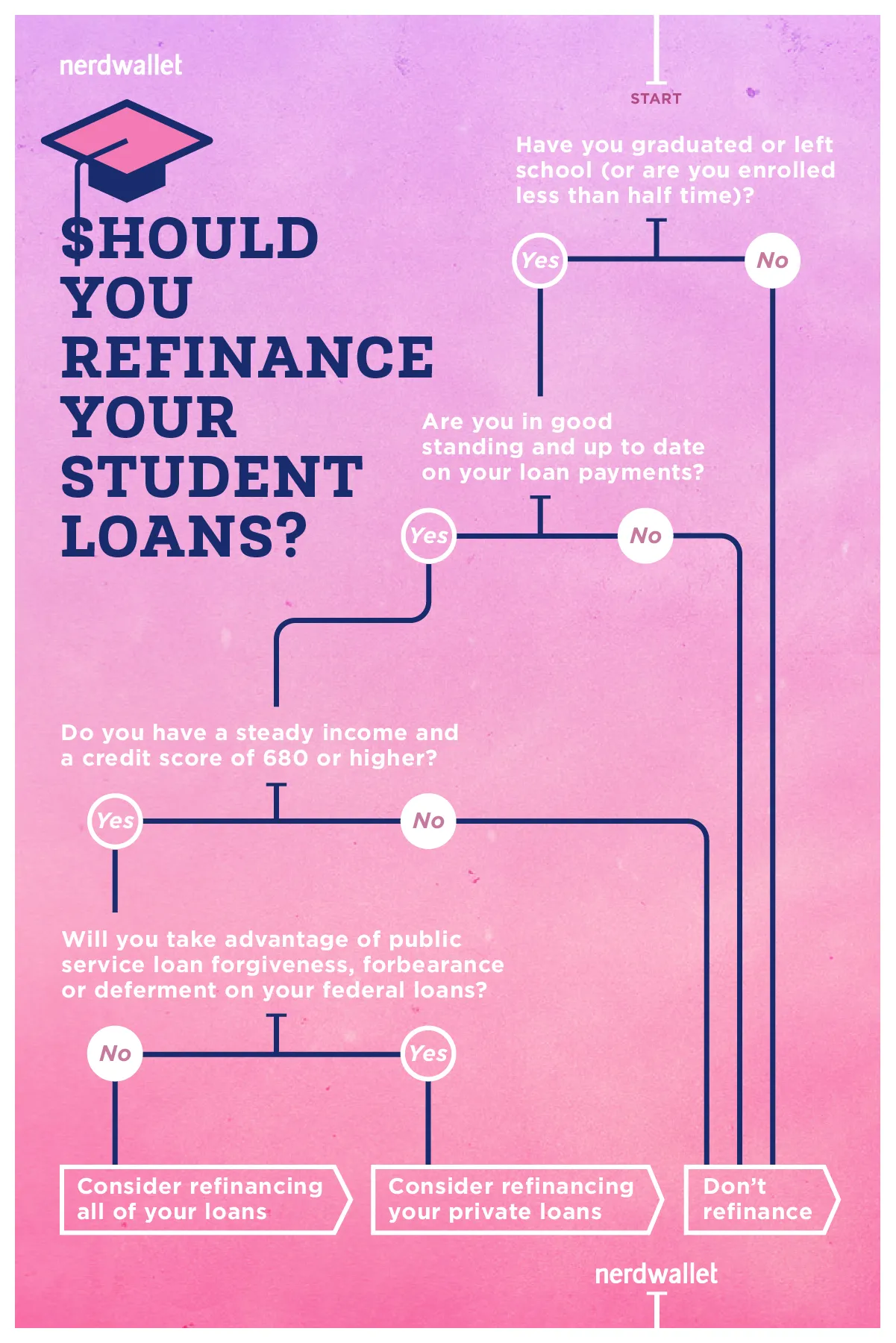
One of the key factors to consider when refinancing student loans is your credit score. Lenders typically look at your credit score to determine your eligibility for a loan and the interest rate you will receive. If you have a high credit score, you may be able to qualify for a lower interest rate, saving you even more money in the long run.
Another important factor to consider is the type of loan you have. Federal student loans typically come with benefits such as income-driven repayment plans and loan forgiveness programs. If you refinance your federal loans into a private loan, you may lose access to these benefits. It’s essential to weigh the pros and cons of refinancing and determine if the potential savings outweigh the loss of federal loan benefits.
When refinancing student loans, it’s also crucial to shop around and compare rates from different lenders. Each lender may offer different terms, interest rates, and repayment options, so it’s essential to find the best deal for your specific financial situation. You can use online comparison tools to help you compare offers from multiple lenders and find the one that works best for you.
Lastly, it’s important to understand the terms of your new loan before refinancing. Make sure you know the interest rate, repayment terms, and any potential fees associated with the loan. Some lenders may offer fixed or variable interest rates, so it’s essential to decide which option works best for you. Additionally, consider any prepayment penalties or fees for paying off the loan early.
Overall, understanding the basics of refinancing student loans is essential before making a decision. By considering factors such as your credit score, the type of loan you have, shopping around for the best rates, and understanding the terms of your new loan, you can make an informed decision that will save you money in the long run.
Factors to Consider Before Refinancing
When considering refinancing your student loans, there are several important factors to take into account before making a decision. It’s crucial to carefully evaluate the following aspects to ensure that refinancing is the right choice for you:
1. Interest Rates: One of the main reasons people choose to refinance their student loans is to secure a lower interest rate. Before refinancing, compare the interest rates of your current loans with those offered by potential lenders. Keep in mind that even a slight reduction in interest rate can result in significant savings over the life of your loan. However, it’s essential to consider the type of interest rate – whether it’s fixed or variable – and how it may impact your monthly payments in the long run.
2. Financial Situation: Before refinancing, it’s important to assess your current financial situation. Take a look at your monthly income, expenses, and overall financial goals. Consider how refinancing might affect your budget and whether you’ll be able to afford the new monthly payments. Additionally, evaluate your job stability and potential for income growth in the future. If you anticipate any changes in your financial situation, it’s essential to factor them into your decision-making process.
3. Loan Terms: When refinancing your student loans, you’ll have the opportunity to choose new loan terms, such as the length of the repayment period. While opting for a longer repayment term can lower your monthly payments, it may result in paying more interest over time. On the other hand, selecting a shorter repayment term can help you pay off your debt faster but might lead to higher monthly payments. Consider your financial goals and ability to make payments when deciding on the loan terms that work best for you.
4. Credit Score: Your credit score plays a significant role in determining the interest rates you qualify for when refinancing your student loans. Lenders typically offer better rates to borrowers with higher credit scores, as they are considered less risky. Before applying for refinancing, check your credit score and take steps to improve it if necessary. A higher credit score could potentially save you thousands of dollars in interest over the life of your loan.
5. Loan Features: Before refinancing, it’s crucial to review the features and benefits offered by potential lenders. Some lenders may provide flexible repayment options, such as income-driven repayment plans or deferment options in case of financial hardship. Additionally, consider whether the lender offers any borrower perks, such as interest rate discounts for setting up automatic payments. Choosing a lender with favorable loan features can make managing your student loans more convenient and cost-effective in the long run.
By carefully weighing these factors before refinancing your student loans, you can make an informed decision that aligns with your financial goals and circumstances. Refinancing can be a helpful tool for managing your debt, but it’s essential to consider all aspects of the process to ensure it’s the right choice for you.
Pros and Cons of Refinancing Student Loans
Refinancing student loans can be a great option for those looking to save money on interest rates and monthly payments. However, there are also some potential drawbacks to consider before making the decision to refinance. Here we will discuss the pros and cons of refinancing student loans in more detail.
Pros:
1. Lower Interest Rates: One of the main advantages of refinancing student loans is the potential to secure a lower interest rate. By refinancing at a lower rate, borrowers can save money on interest payments over the life of the loan. This can result in significant savings over time.
2. Simplified Repayment: Another benefit of refinancing student loans is the opportunity to consolidate multiple loans into one, simplifying the repayment process. This can make it easier to keep track of payments and potentially save money on fees associated with multiple loans.
3. Flexible Repayment Options: When you refinance your student loans, you may have the option to choose a repayment plan that better fits your financial situation. This could include extending the loan term to lower monthly payments or choosing a variable interest rate to take advantage of market fluctuations. Additionally, some lenders offer benefits such as deferment or forbearance options in case of financial hardship.
Cons:
1. Loss of Federal Loan Benefits: If you refinance federal student loans with a private lender, you may lose certain benefits that come with federal loans, such as income-driven repayment plans, loan forgiveness programs, and deferment options. It’s important to weigh the potential savings of refinancing against the loss of these benefits before making a decision.
2. Credit Score Impact: When you refinance student loans, the lender will likely do a hard inquiry on your credit report, which can temporarily lower your credit score. Additionally, if you have a cosigner on the original loan, they may also be impacted by the refinancing process. It’s important to consider how refinancing may affect your credit before moving forward.
3. Potential Fees: Some lenders charge fees for refinancing student loans, such as origination fees or prepayment penalties. These fees can eat into any savings you may gain from refinancing, so it’s important to carefully review the terms and conditions of the new loan before agreeing to refinance.
In conclusion, refinancing student loans can be a beneficial financial move for some borrowers, but it’s important to carefully weigh the pros and cons before making a decision. By considering factors such as interest rates, repayment options, and potential fees, borrowers can determine whether refinancing is the right choice for their individual situation.
Top Lenders for Refinancing Student Loans
Refinancing student loans can be a great way to save money on interest rates and simplify your monthly payments. However, with so many lenders offering refinancing options, it can be difficult to know where to start. Here are some of the top lenders for refinancing student loans:
1. SoFi: SoFi is known for offering competitive interest rates and flexible repayment options. They also provide borrowers with career support and networking opportunities. SoFi is a great option for borrowers who have a good credit score and a steady income.
2. Earnest: Earnest is a lender that looks beyond credit scores to determine a borrower’s eligibility for refinancing. They take into account factors such as income potential and financial history. Earnest offers personalized repayment plans and the ability to skip a payment once a year.
3. CommonBond: CommonBond is a lender that offers competitive interest rates and a variety of repayment term options. They also have a social mission, as they donate a portion of their profits to fund education for children in need. CommonBond is a good choice for borrowers who value giving back.
4. LendKey: LendKey is a student loan refinancing platform that connects borrowers with community banks and credit unions. These lenders often offer lower interest rates than traditional banks and provide personalized customer service. LendKey also has a cosigner release option, making it a good choice for borrowers who may need a cosigner initially but want to release them later on.
Overall, when considering refinancing your student loans, it’s important to shop around and compare offers from multiple lenders. Each lender has unique features and benefits, so finding the right fit for your financial situation is key. Additionally, look for lenders that offer flexible repayment options, competitive interest rates, and good customer service. With the help of one of these top lenders, you can take control of your student loan debt and save money in the long run.
How to Compare Refinance Offers and Choose the Best Option
When it comes to comparing refinance offers for student loans, there are a few key factors to consider in order to choose the best option for your financial situation. Here are some tips to help you make an informed decision:
1. Interest Rates: One of the most important factors to consider when comparing refinance offers is the interest rate. A lower interest rate can save you money over the life of your loan, so be sure to compare rates from multiple lenders to find the best deal.
2. Repayment Terms: Another important factor to consider is the repayment terms offered by each lender. Look for a lender that offers flexible repayment options, such as the ability to choose between fixed and variable interest rates, as well as different loan terms.
3. Fees and Costs: Be sure to consider any fees or costs associated with refinancing your student loans. Some lenders may charge origination fees or other upfront costs, so make sure to factor these into your decision-making process.
4. Customer Service: Consider the level of customer service offered by each lender. Look for a lender that provides excellent customer service and support, as this can make a big difference in your overall experience with the refinance process.
5. Online Reviews and Reputation: In addition to comparing interest rates, repayment terms, fees, and customer service, it’s also a good idea to research each lender’s online reviews and reputation. Look for feedback from other borrowers to get a sense of the lender’s track record and customer satisfaction levels.
By taking the time to compare refinance offers using these key factors, you can make an informed decision and choose the best option for refinancing your student loans. Remember to consider your own financial goals and needs when evaluating offers, and don’t be afraid to reach out to lenders with any questions or concerns you may have. With the right research and due diligence, you can find a refinance option that works for you and helps you achieve your financial goals.