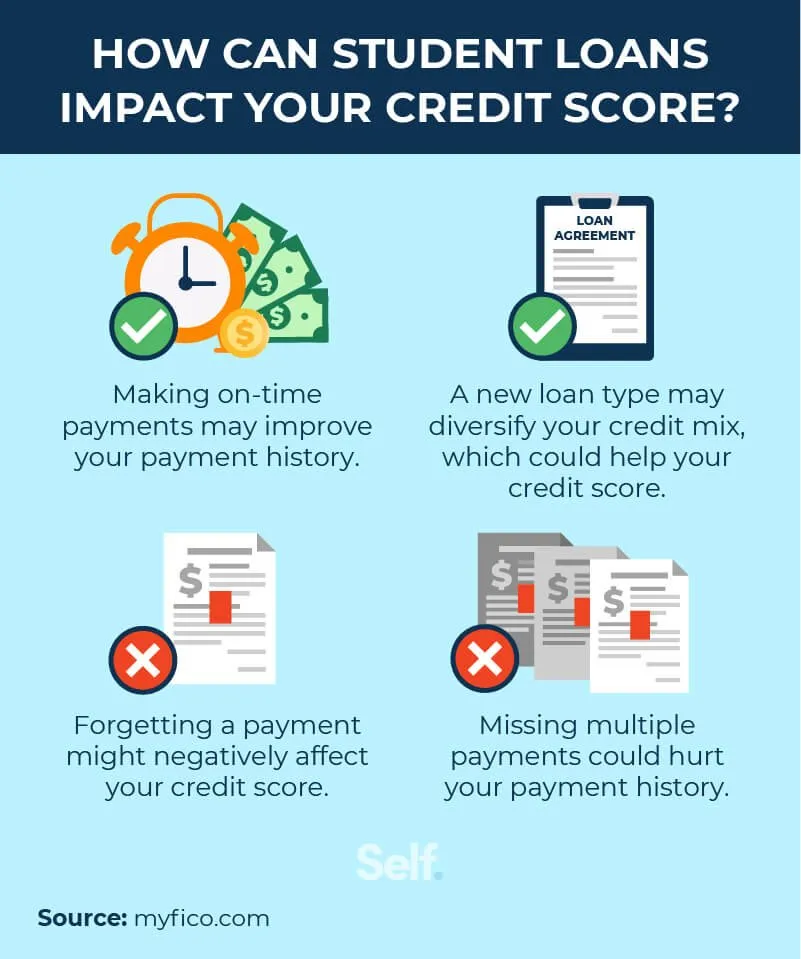
Welcome to our guide on how refinancing student loans can affect your credit score. Many people consider refinancing their student loans to save money on interest rates or lower their monthly payments. While refinancing can be a smart financial move, it’s important to understand how it can impact your credit score. By the end of this article, you’ll have a better understanding of the potential effects of refinancing student loans on your credit score.
Understanding How Refinancing Works
Refinancing student loans can be a smart move for many borrowers looking to lower their interest rates or payments. When you refinance, you essentially take out a new loan to pay off your existing student loans. This new loan often comes with a lower interest rate or different terms, which can save you money in the long run. However, it’s important to understand how the refinancing process works before diving in.
First, you’ll need to determine if you’re eligible for refinancing. Lenders typically look at factors like your credit score, income, and debt-to-income ratio to assess your risk as a borrower. If you have a strong credit history and stable income, you’re more likely to qualify for a lower interest rate. On the other hand, if you have a low credit score or high debt-to-income ratio, you may not be able to refinance or may be offered less favorable terms.
Once you’re approved for refinancing, you’ll choose the new loan terms that work best for your financial situation. This could mean selecting a shorter loan term to pay off your debt faster or choosing a longer term to lower your monthly payments. Keep in mind that extending your loan term may result in paying more interest over time, so it’s important to weigh the pros and cons before making a decision.
After selecting your loan terms, the lender will pay off your existing student loans on your behalf. This means you’ll no longer owe money to your original lenders and will only have to make payments to the new lender going forward. It’s crucial to continue making on-time payments to avoid defaulting on your new loan and damaging your credit score.
It’s also worth noting that refinancing student loans can have both positive and negative effects on your credit score. On one hand, if you’re able to secure a lower interest rate and make timely payments on your new loan, it can potentially boost your credit score over time. On the other hand, applying for multiple refinancing loans within a short period can result in multiple hard inquiries on your credit report, which may temporarily lower your score.
In conclusion, understanding how refinancing works is essential before deciding to refinance your student loans. By weighing the benefits and risks, choosing the right loan terms, and making on-time payments, you can potentially save money and improve your credit score in the long run.
Impact on Credit Score
When it comes to refinancing student loans, there are several factors to consider that could potentially impact your credit score. One major factor to keep in mind is the impact of a hard credit inquiry. When you apply for a loan, whether it’s a student loan refinance or any other type of loan, the lender will typically conduct a hard inquiry on your credit report. This can cause a temporary decrease in your credit score, typically by a few points. However, the impact of a hard inquiry on your credit score is usually minimal and short-lived.
Another aspect to consider is the effect of debt-to-income ratio on your credit score. When you refinance your student loans, you may be able to get a lower interest rate, which can result in lower monthly payments. This can improve your debt-to-income ratio, which is a key factor in determining your credit score. A lower debt-to-income ratio can demonstrate to lenders that you are managing your debt responsibly and can potentially have a positive impact on your credit score.
Additionally, the length of your credit history can also play a role in how refinancing student loans can affect your credit score. If you are refinancing older student loans with a new loan, you may be closing out the older accounts. This can shorten the length of your credit history, which can have a negative impact on your credit score. However, if you have a long history of making on-time payments, the impact may not be significant.
It’s important to note that the credit score impact of refinancing student loans will vary depending on your individual financial situation. If you are making on-time payments and have a good credit history, refinancing can potentially have a positive impact on your credit score. On the other hand, if you have a history of late payments or high levels of debt, refinancing may not have as great of an impact on your credit score.
In conclusion, while refinancing student loans may result in a temporary decrease in your credit score due to a hard inquiry, the overall impact on your credit score will depend on various factors such as your debt-to-income ratio and credit history. It’s important to carefully consider these factors before deciding to refinance your student loans to ensure that it aligns with your financial goals.
Factors to Consider Before Refinancing
Refinancing student loans can be a smart move for many borrowers, but it’s important to carefully consider all the factors before making a decision. Here are three key factors to keep in mind before refinancing:
1. Interest rates: One of the main reasons borrowers refinance their student loans is to secure a lower interest rate. By refinancing at a lower rate, you can potentially save thousands of dollars over the life of your loan. However, it’s important to make sure you’re actually getting a better rate before refinancing. Be sure to shop around and compare rates from multiple lenders to ensure you’re getting the best deal possible.
2. Loan term: When you refinance your student loans, you’ll have the opportunity to choose a new loan term. While opting for a longer loan term can lower your monthly payments, it can also result in paying more interest over time. On the other hand, choosing a shorter loan term can help you pay off your loans faster and save money on interest. Before refinancing, carefully consider your financial goals and choose a loan term that aligns with them.
3. Impact on credit score: One common concern borrowers have about refinancing their student loans is how it will affect their credit score. In most cases, refinancing your student loans shouldn’t have a negative impact on your credit score. In fact, it could even help improve your score in the long run. When you refinance, your old loans will be paid off and replaced with a new loan, which can help lower your credit utilization ratio and improve your credit mix. However, it’s important to keep in mind that applying for a new loan can result in a hard inquiry on your credit report, which could cause a temporary dip in your score. To minimize the impact on your credit, try to apply for refinancing within a short period of time and only submit applications to lenders that you’re seriously considering.
In conclusion, refinancing student loans can be a beneficial financial move, but it’s important to carefully consider all the factors before making a decision. By taking into account your interest rates, loan term, and the potential impact on your credit score, you can make an informed choice that aligns with your financial goals.
Common Misconceptions
When it comes to refinancing student loans, there are several common misconceptions that can cause confusion and lead borrowers to make decisions that may not be in their best interest. One of the biggest misconceptions is that refinancing student loans will hurt your credit. This belief stems from the idea that applying for a new loan will result in a hard inquiry on your credit report, which can temporarily lower your credit score.
While it is true that applying for a new loan can result in a hard inquiry on your credit report, this does not necessarily mean that your credit score will be negatively impacted. In fact, in many cases, refinancing student loans can actually have a positive effect on your credit score. By consolidating multiple loans into one new loan, you can simplify your repayment process and make it easier to stay on top of your payments. This can help you build a positive payment history, which is one of the most important factors in determining your credit score.
Another common misconception is that refinancing student loans will result in a significant increase in your monthly payments. While it is true that refinancing can potentially lower your interest rate and shorten your repayment term, this does not necessarily mean that your monthly payments will go up. In fact, many borrowers are able to refinance their student loans and lower their monthly payments at the same time.
It is also important to note that refinancing student loans does not mean that you will lose access to federal loan benefits, such as income-driven repayment plans and loan forgiveness programs. While federal loans do offer certain benefits that are not available with private loans, refinancing can still be a beneficial option for many borrowers. By refinancing your loans, you may be able to secure a lower interest rate and save money over the life of your loan.
Overall, it is important to separate fact from fiction when it comes to refinancing student loans. While there may be some drawbacks to refinancing, such as potential fees and the loss of certain federal loan benefits, it can still be a valuable financial tool for many borrowers. By taking the time to research your options and weigh the pros and cons, you can make an informed decision that will help you achieve your financial goals.
Tips for Maintaining a Healthy Credit Score
Having a good credit score is important for many aspects of our financial lives, including getting approved for loans, renting an apartment, or even getting a job. Here are some tips to help you maintain a healthy credit score:
1. Pay your bills on time: One of the most important factors that affect your credit score is your payment history. Make sure to pay all of your bills on time, as late payments can have a negative impact on your credit score.
2. Keep your credit utilization low: Credit utilization refers to the amount of credit you are using compared to the amount of credit available to you. It is recommended to keep your credit utilization below 30% to maintain a healthy credit score.
3. Monitor your credit report regularly: Checking your credit report regularly can help you identify any errors or fraudulent activity that could be negatively impacting your credit score. You are entitled to one free credit report each year from each of the three major credit bureaus.
4. Avoid applying for too much new credit: Every time you apply for credit, a hard inquiry is placed on your credit report, which can temporarily lower your credit score. Try to limit the number of new credit applications you submit to only those that are necessary.
5. Consider refinancing your student loans carefully: If you are considering refinancing your student loans, it’s important to do your research and understand how it may impact your credit score. Refinancing can help you lower your interest rate and monthly payments, but it can also result in a new hard inquiry on your credit report, which could temporarily lower your score. Additionally, closing old student loan accounts could potentially shorten the length of your credit history, which is also a factor in determining your credit score. Before refinancing, weigh the pros and cons and consider how it will affect your overall financial health.
By following these tips and being mindful of your spending and borrowing habits, you can work towards building and maintaining a healthy credit score. Remember, a good credit score can open up many financial opportunities and help you achieve your long-term financial goals.